
Foot and Ankle Billing: Top 5 Expert Tips
Understanding Foot and Ankle Billing: Why Accuracy Matters for Your Practice
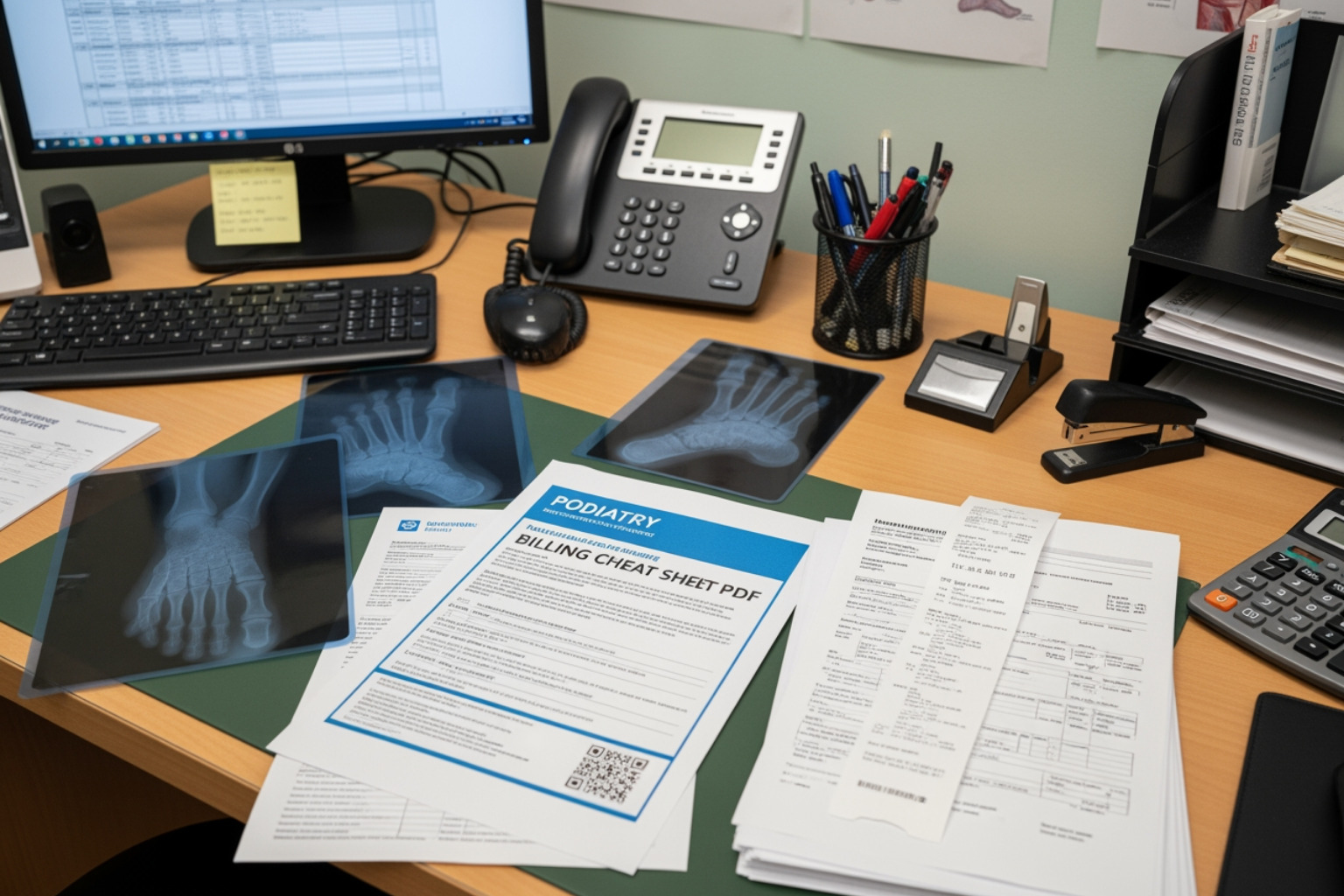
Foot and ankle billing is one of the most complex areas of medical coding, directly impacting your practice’s financial health and your ability to focus on patient care.
Quick Answer: What is Foot and Ankle Billing?
Foot and ankle billing is the process of translating podiatric services into standardized codes (CPT, ICD-10, and HCPCS) for insurance reimbursement. It includes:
- CPT codes for procedures (e.g., bunionectomy, nail debridement, fracture care)
- ICD-10 codes for diagnoses (e.g., hallux valgus, plantar fasciitis)
- Modifiers to specify details like bilateral procedures or distinct services
- Documentation to prove medical necessity and support claims
- Compliance with Medicare and commercial payer regulations
The financial stakes are higher than you might think. Research shows that coding patterns vary significantly among foot and ankle surgeons—even for common procedures. In one study, the reimbursement difference between the highest and lowest coded cases was $3,627.92 for the same patient scenarios.
This variability isn’t just about individual claims. When you multiply these differences across hundreds of patient encounters, the impact on your practice’s revenue becomes substantial. Cases involving complex injuries like Lisfranc fractures, Charcot reconstruction, and midfoot fracture-dislocations showed the most coding inconsistency.
The challenge is clear: foot and ankle procedures often combine medical and surgical services in a single visit, require precise modifier usage, and must steer strict payer rules—especially Medicare’s distinction between “routine” and “medically necessary” care. Add in the complexity of billing for orthotics, implants, and diagnostic imaging, and it’s no wonder many podiatrists find billing takes time away from patient care.
Getting billing right means getting paid fairly for your work. It also means fewer denials, faster payments, and more time doing what you do best—treating patients.
Decoding Foot and Ankle Procedures: Essential CPT and ICD-10 Codes
When it comes to foot and ankle billing, the foundation of accurate reimbursement lies in understanding and correctly applying Current Procedural Terminology (CPT) codes and International Classification of Diseases, Tenth Revision (ICD-10) codes. These alphanumeric keys are how we communicate the services you provide and the conditions you treat to insurance payers.
CPT codes describe the specific medical, surgical, and diagnostic services performed. ICD-10 codes, on the other hand, explain why those services were necessary by detailing the patient’s diagnosis or health condition. Together, they establish medical necessity – the critical link that justifies the treatment and ensures reimbursement. Whether it’s a complex surgical reconstruction or a routine office visit, every service provided in our practices across New Jersey, Nevada, Nebraska, North Carolina, and Kentucky must be carefully documented and coded. Without this precise translation, claims can be denied, leading to lost revenue and increased administrative burden for your practice.
Common CPT Codes for Foot and Ankle Billing
For podiatry practices, a core set of CPT codes are used daily. Mastering these codes is vital for successful foot and ankle billing. Here are some of the most common procedures and their associated codes:
- Nail Debridement (11720-11721): These codes cover the trimming or debridement of nails, often for patients with fungal infections, thickened nails, or other conditions requiring professional care.
- Hammertoe Correction (28285): This code is used for the surgical correction of a hammertoe deformity, which can involve soft tissue or bone procedures.
- Bunionectomy (28292-28299): This range covers various surgical procedures to correct bunions (hallux valgus), from simple exostectomy to complex osteotomies.
- Ankle Arthroscopy (29894-29898): These codes describe diagnostic and surgical procedures performed using an arthroscope to examine and treat conditions within the ankle joint.
- Fracture Care (e.g., 28470): A wide array of codes exist for fracture treatment, from closed reductions without manipulation (e.g., 28470 for metatarsal fracture) to open reductions with internal fixation.
- Injections (e.g., 20605, 20610): Used for injecting therapeutic substances into small or intermediate joints (20605) or major joints/bursae (20610) of the foot and ankle, often for pain management or inflammation.
The precise selection of these codes depends entirely on the detailed documentation of the procedure performed and the medical necessity supported by the diagnosis.
The Role of ICD-10 in Justifying Medical Necessity
While CPT codes tell the payer what we did, ICD-10 codes tell them why we did it. Accurate diagnosis coding is paramount in foot and ankle billing. Each CPT code must be linked to an appropriate ICD-10 code that justifies the medical necessity of the service. For instance, billing for a bunionectomy (CPT 28292) without a corresponding diagnosis of hallux valgus (ICD-10 M20.10) would almost certainly lead to a denial.
Our team emphasizes the importance of robust documentation that clearly supports the diagnoses. This includes detailed patient history, physical examination findings, and assessment plans. When the documentation clearly articulates the medical necessity, it acts as a strong defense against denials and ensures that your practice receives appropriate reimbursement.
For more in-depth information on how diagnosis codes play a crucial role in preventing denials, you can explore our guide on More info about diagnosis codes.
The Power of Modifiers: Opening up Full Reimbursement
Modifiers are two-digit codes appended to CPT codes that provide additional information about a service or procedure, altering its meaning without changing the definition of the code itself. In foot and ankle billing, modifiers are not just optional additions; they are powerful tools that can significantly impact reimbursement.
The research highlights a critical challenge: “Great variability exists between foot and ankle surgeons when coding common foot and ankle procedures.” This variability extends significantly to modifier usage. One study found that “Only five of the 12 cases had at least four of the five respondents in agreement regarding modifier usage, with only one case had 100% agreement among respondents on modifier utilization.” This low agreement means many practices are likely leaving money on the table or facing unnecessary denials.
Modifiers prevent bundling issues, clarify distinct services performed during the same encounter, and specify anatomical locations. Without them, payers might assume services are duplicates or components of a larger procedure, leading to underpayment or outright denial. Correct modifier application ensures that your practice is reimbursed for every distinct and medically necessary service provided.
Key Modifiers in Foot and Ankle Billing
Let’s look at some of the most frequently used and impactful modifiers in podiatry:
- Modifier 59 (Distinct Procedural Service): This is one of the most frequently used modifiers in podiatry, as identified in research. It indicates that a procedure or service was distinct or independent from other non-E/M services performed on the same day. For example, if a biopsy is performed in a different anatomical site or through a separate incision during the same surgical session as another procedure, modifier 59 may be appropriate. Its misuse, however, is a common reason for denials, so strict adherence to its guidelines is crucial.
- Modifier 25 (Significant, Separately Identifiable Evaluation and Management Service): Appended to an E/M code, this modifier indicates that a physician performed a significant, separately identifiable E/M service on the same day as another procedure or service. For instance, if a patient presents with a new problem requiring a comprehensive E/M visit, and during that visit, a minor procedure (like nail debridement) is also performed, modifier 25 would be added to the E/M code.
- Modifier 50 (Bilateral Procedure): Used when the same procedure is performed on both sides of the body during the same operative session. For example, if you perform a bunionectomy on both feet, the CPT code for the bunionectomy would be reported once with modifier 50, often resulting in 150% of the allowed amount.
- RT & LT Modifiers (Right Side & Left Side): These anatomical modifiers specify which side of the body a procedure was performed on. They are crucial when a procedure is performed on only one side, or when different procedures are performed on each side. For example, a hammertoe correction on the right foot would use modifier RT.
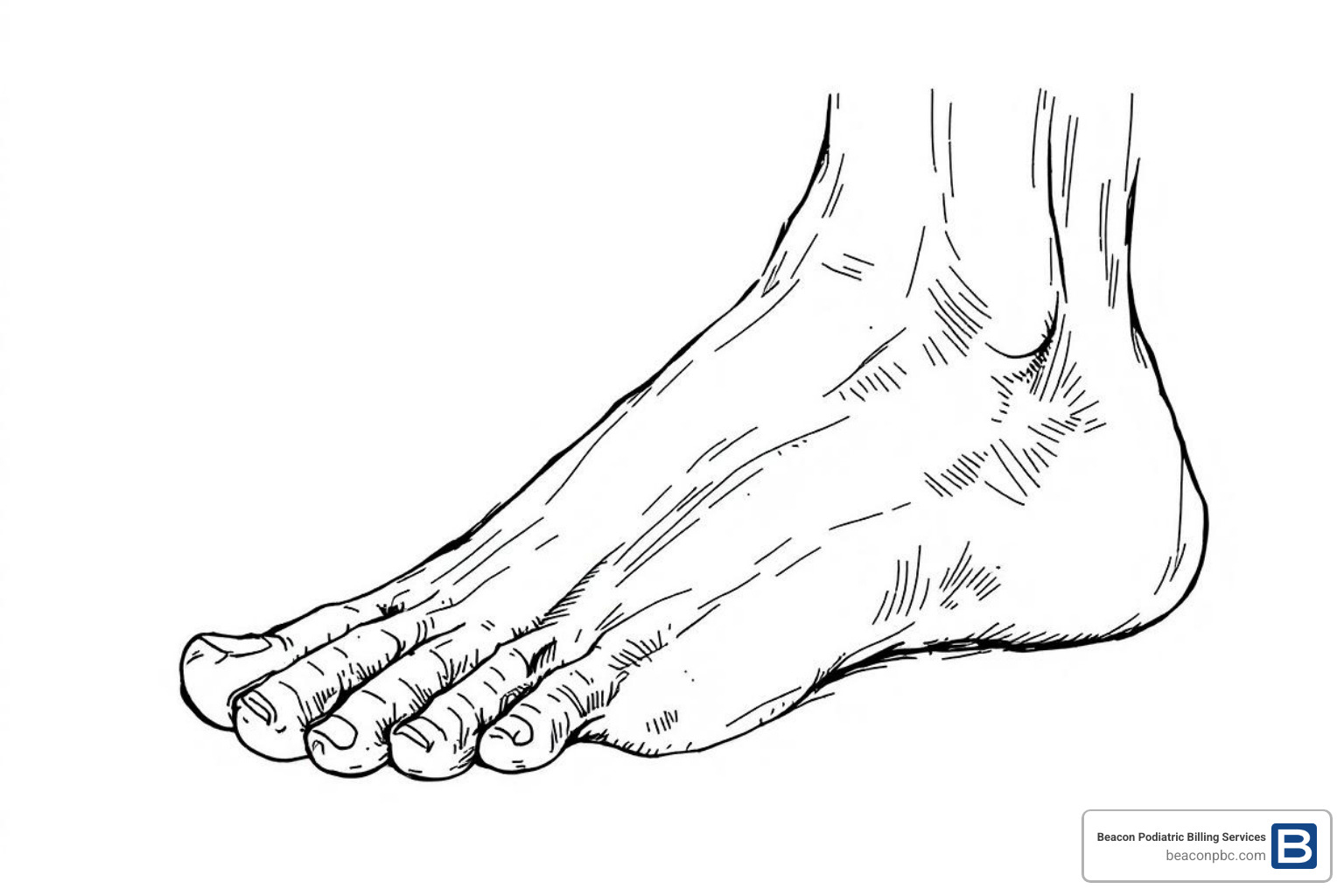
- T-Codes (T1-T9, TA): These are also anatomical modifiers, but they are specific to the toes. T1-T9 identify specific toes (T1 for left foot, second digit; T5 for right foot, great toe; etc.), while TA represents the left foot, great toe. These are often used for services like nail avulsions or hammertoe corrections to precisely indicate the treated digit.
Proper usage guidelines for each modifier are detailed by Medicare and commercial payers. Our team ensures that your practice stays updated on these changing rules, helping you avoid common pitfalls.
Strategies to Improve Modifier Application
Given the significant impact modifiers have on reimbursement and the documented variability in their use, improving modifier application is a top priority for any podiatry practice. One of the most effective strategies is thorough operative note dissection. This means carefully reviewing the surgeon’s documentation to identify every distinct service, anatomical location, and unusual circumstance that warrants a modifier. The more detailed and accurate the operative note, the easier it is to apply modifiers correctly.
Regular coding audits are another powerful tool. By periodically reviewing coded claims against medical records, practices can identify patterns of incorrect modifier usage, common denial reasons, and areas for improvement. This proactive approach helps to correct errors before they lead to widespread denials.
Finally, continuous staff training for both coders and surgeons is essential. The field of medical coding is dynamic, with annual updates to CPT codes and ongoing changes in payer policies. Educating the entire team on the latest guidelines and best practices for modifier application can significantly boost coding competency and, in turn, maximize reimbursement. This focus on education is directly supported by the findings of scientific research on coding patterns, which underscores the need for increased competency to ensure appropriate compensation. You can dig deeper into this topic by reviewing the Scientific research on coding patterns.
Navigating Complex Cases and Advanced Technology Billing
While routine podiatric procedures have their coding nuances, more complex cases and the integration of advanced technology introduce additional layers of billing intricacy. These are the areas where coding accuracy truly shines, distinguishing practices that capture full reimbursement from those that struggle.
As previously noted, research indicates that cases involving Lisfranc injuries, Charcot reconstruction, and midfoot fracture-dislocations exhibit the most significant variability in coding among surgeons. This suggests that these complex scenarios are fertile ground for errors and missed revenue opportunities if not handled with expert precision. Similarly, the billing for implants, orthotics, bracing, and diagnostic imaging each come with their own set of rules and challenges that require specialized attention.
Coding for Complex Injuries: Lisfranc, Charcot, and Midfoot Fractures
When we encounter complex foot and ankle injuries like Lisfranc fracture-dislocations, Charcot neuroarthropathy, or severe midfoot fracture-dislocations, the coding process becomes exceptionally intricate. These conditions often involve multiple bones, joints, ligaments, and soft tissues, requiring extensive surgical intervention and meticulous documentation.
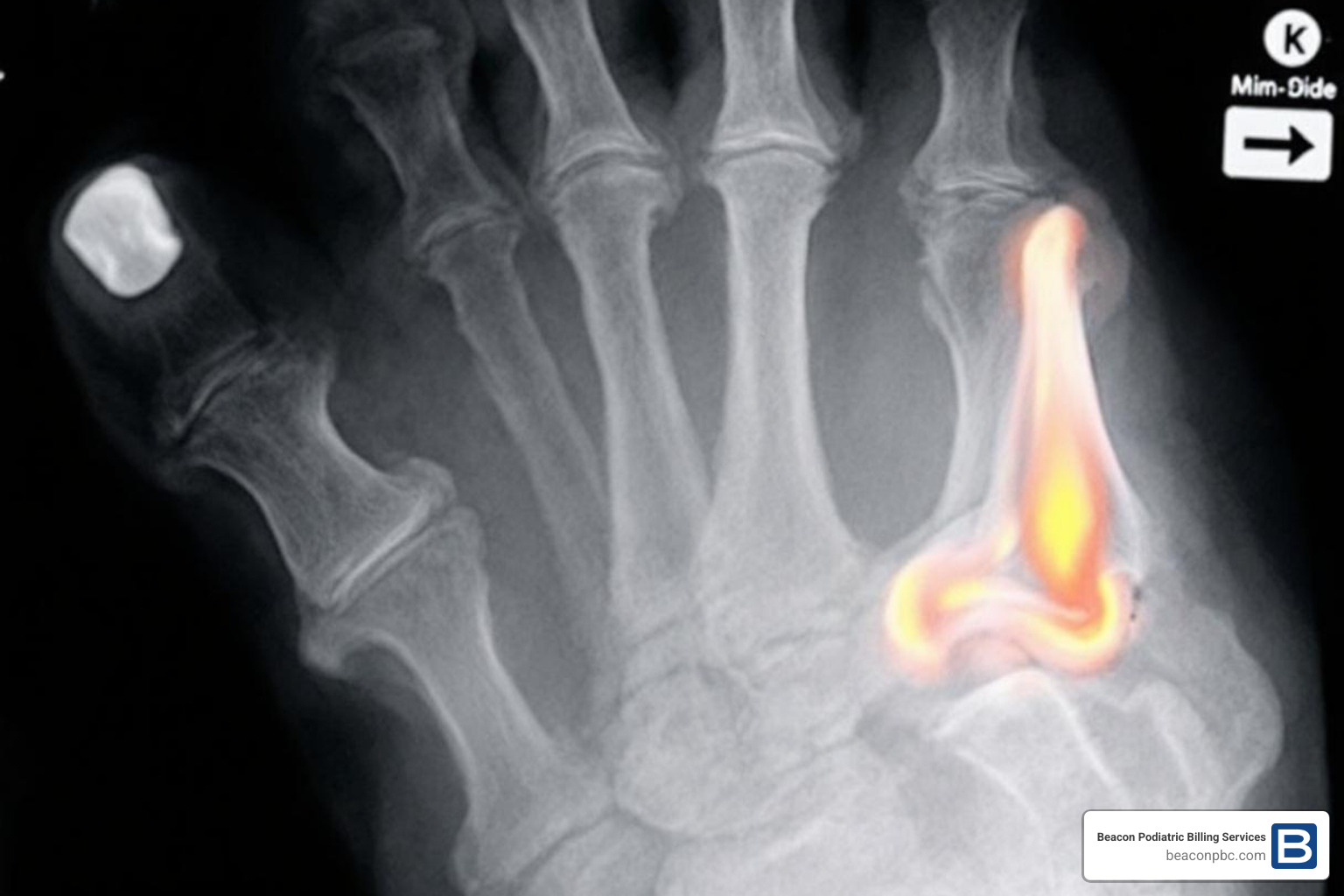
- Lisfranc Injury Coding: A Lisfranc injury, involving the disruption of the tarsometatarsal joints, can range from a sprain to a complete fracture-dislocation. Coding for these often involves multiple CPT codes for open reduction with internal fixation (ORIF) of various metatarsals and tarsal bones, ligament repairs, and sometimes fusions. The challenge lies in identifying all distinct procedures performed and applying appropriate modifiers to ensure each component is reimbursed.
- Charcot Reconstruction: Charcot neuroarthropathy, particularly in the foot and ankle, often necessitates complex reconstructive surgery to stabilize the foot and prevent amputation. These procedures can involve extensive osteotomies, fusions, internal or external fixation, and soft tissue coverage. Coding for Charcot reconstruction frequently involves multiple CPT codes for bone excisions, fusions (e.g., arthrodesis codes), and the use of specialized hardware, all requiring careful consideration of bundling rules and medical necessity.
- Midfoot Fracture-Dislocations: Similar to Lisfranc injuries, midfoot fracture-dislocations involve significant trauma and often require multiple-level repairs. The coding here demands a precise understanding of the specific bones and joints involved, the type of repair (open vs. closed, internal fixation), and any associated soft tissue procedures.
In all these complex scenarios, multiple procedure coding is a key consideration. When several distinct surgical procedures are performed during the same operative session, specific rules dictate how they should be coded. Often, the primary procedure is paid at 100%, while secondary procedures may be reimbursed at a reduced rate (e.g., 50%), and the correct application of modifiers (like -51 for multiple procedures or -59 for distinct procedural services) is critical to ensure accurate payment.
Billing for Technology: Implants, Orthotics, and Bracing
The integration of advanced technology in foot and ankle care, from specialized implants to custom orthotics and braces, significantly improves patient outcomes but also adds layers to the foot and ankle billing process.
- Implants (e.g., HCPCS C1713): When it comes to surgical implants like anchors or screws for bone-to-bone or soft tissue-to-bone fixation (HCPCS C1713), reimbursement rules can be complex. For Medicare patients, these items are generally not separately reimbursed. Instead, their cost is considered “packaged” into the overall facility payment (e.g., through MS-DRG or APC). However, for non-Medicare (commercial) patients, direct invoicing for these implants may be allowed depending on specific contractual terms with the payer. It’s crucial for practices in our service areas to understand these distinctions and verify payer contracts.
- Orthotics (e.g., HCPCS L3000-L3030): Custom-made orthotics (L3000-L3030) and off-the-shelf devices are essential for managing many foot and ankle conditions. Billing for these requires detailed documentation of medical necessity, often including a prescription from the physician, measurements, and a clear explanation of how the device will address the patient’s condition. Pre-authorization from the insurance company is frequently required.
- Bracing (e.g., AFOs): Braces, including ankle-foot orthoses (AFOs) or specialized ankle stabilizers, also fall under HCPCS codes. Similar to orthotics, documentation of medical necessity, a physician’s order, and often prior authorization are paramount for reimbursement.
- Orthopaedic Footwear: Billing for orthopaedic footwear can be particularly challenging. Coverage often depends on specific diagnoses (e.g., diabetes with foot deformities) and strict documentation requirements regarding therapeutic need. Payer policies vary widely, making verification of benefits and pre-authorization critical.
Navigating these rules requires expertise in HCPCS coding and a deep understanding of individual payer policies. Our team stays current with these guidelines to help your practice maximize reimbursement for these crucial technologies.
Diagnostic Imaging: Professional, Technical, and Global Components
Diagnostic imaging is an integral part of foot and ankle care, providing the visual evidence needed for accurate diagnosis and treatment planning. Billing for imaging services like X-rays (e.g., 73600-73660 for foot/ankle), CT scans, and MRIs involves understanding the distinction between professional, technical, and global components.
- Professional Component (-26): This refers to the physician’s interpretation of the imaging study. It covers the intellectual effort involved in reading the images and generating a written report. When a radiologist or treating podiatrist interprets an image performed at a facility, they bill for the professional component using modifier -26.
- Technical Component (-TC): This covers the cost of performing the imaging study itself – the equipment, supplies, and the technologists who operate the machinery. A facility (hospital, imaging center, or even a practice with its own equipment) bills for the technical component using modifier -TC.
- Global Billing: When a physician’s office owns the imaging equipment and the physician interprets the study, they can bill for the “global” service, which encompasses both the technical and professional components. No modifier is typically used in this case, as it implies both components were provided by the same entity.
Understanding these components is crucial for practices in our service areas that perform in-office imaging or refer to external facilities, ensuring that all aspects of the diagnostic service are correctly billed and reimbursed.
Common Challenges and Best Practices in Podiatry Billing
Even with a solid grasp of CPT, ICD-10, and modifiers, foot and ankle billing presents a unique set of challenges. From navigating complex Medicare rules to managing persistent denials, podiatry practices often face an uphill battle in securing full and timely reimbursement. However, by adopting best practices in revenue cycle management, these challenges can be effectively overcome.
Medicare Guidelines and Routine Foot Care
One of the most significant complexities in podiatry billing, particularly in states like New Jersey, Nevada, Nebraska, North Carolina, and Kentucky, revolves around Medicare’s guidelines for foot care. Medicare draws a sharp distinction between “routine foot care” and “medically necessary foot care.” While routine care (e.g., nail trimming, callus removal) is generally not covered, medically necessary care is. The key to coverage lies in demonstrating that the service is required due to a systemic condition that poses a threat to the patient’s health if not treated.
- Medically Necessary vs. Routine Care: For Medicare to cover services that might otherwise be considered routine, the patient must have a qualifying systemic condition such as diabetes mellitus, peripheral vascular disease (PVD), or chronic renal disease.
- Class Findings Documentation: Crucially, the medical record must not only document the systemic condition but also include “class findings” – specific clinical evidence of nerve damage, poor circulation, or other foot pathology directly related to the systemic condition. Without these detailed findings, even for a diabetic patient, a claim for nail care can be denied as routine.
- Common Denial Reasons: Lack of documented medical necessity, missing or inadequate class findings, and incorrect use of modifiers are frequent reasons for denials related to Medicare foot care.
Our specialized knowledge in Medicare Podiatry Billing Guidelines is invaluable for practices seeking to steer these intricate rules and ensure compliance while maximizing appropriate reimbursement.
US vs. Canadian Billing: A Brief Comparison of CPT and OHIP
While our focus at Guide Podiatric Billing Services is exclusively on the intricacies of foot and ankle billing within the United States, it’s insightful to briefly consider how other national systems approach medical billing. For instance, Canada’s Ontario Health Insurance Plan (OHIP) offers a stark contrast to the CPT-based system prevalent in the US.
The table below highlights some key structural differences:
| Feature | US System (CPT) | Canadian System (OHIP Example) |
|---|---|---|
| Procedure Codes | CPT Codes (e.g., 28292-28299 for bunionectomy) | OHIP-specific codes (e.g., R302 for bunion excision) |
| Reimbursement | Variable; negotiated with payers & set by Medicare | Standardized; fixed fee schedule set by government |
| Anesthesia/Assistant | Billed separately with specific codes and modifiers | Often bundled into the main procedure fee |
These structural differences mean that Canadian OHIP codes are highly standardized within Ontario, with less variability in reimbursement rates. In contrast, the US CPT system, while universally recognized, requires constant vigilance in understanding payer-specific policies, fee schedules, and modifier application to optimize reimbursement across our service areas of NJ, NV, NE, NC, and KY. This comparison underscores the complexity and variability inherent in the US billing landscape, highlighting the need for specialized expertise.
Best Practices for a Healthy Revenue Cycle
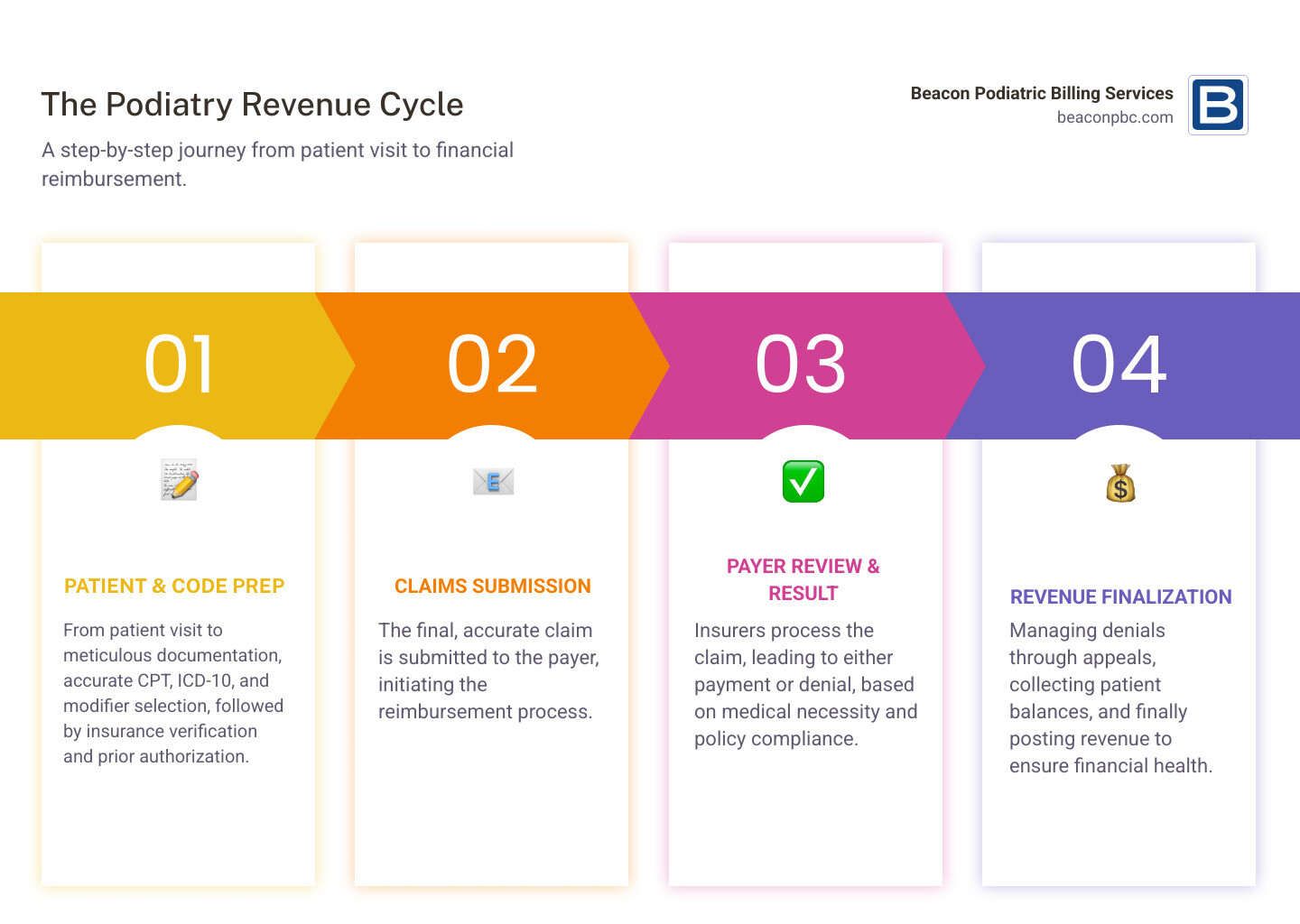
Maintaining a healthy revenue cycle is paramount for the financial sustainability of any podiatry practice. This involves a continuous loop of accurate documentation, proactive claim submission, and diligent follow-up.
- Accurate Documentation: This cannot be stressed enough. Meticulous and comprehensive patient records that clearly detail the medical necessity, services performed, and outcomes are the bedrock of successful billing. Without it, even perfectly selected codes can lead to denials. Our team can help audit your documentation to ensure it meets payer requirements.
- Pre-authorizations: Many surgical procedures, advanced diagnostic tests, durable medical equipment (like orthotics and braces), and even certain medications require prior authorization from insurance companies. Neglecting this step is a guaranteed path to denial. Establishing a robust system for verifying benefits and obtaining pre-authorizations before services are rendered is a critical best practice.
- Streamlining Claims: Utilizing advanced billing software and reputable clearinghouses can significantly streamline the claims submission process. These tools help identify and correct errors before claims even reach the payer, reducing rejections and accelerating payment. Our services leverage such technology to ensure efficient and accurate submissions for your practice.
- Effective Appeals Process: Denials are an inevitable part of medical billing, but they don’t have to be the end of the story. An effective appeals process involves analyzing the reason for denial, gathering additional supporting documentation, and submitting a well-crafted appeal within the payer’s strict deadlines. This requires expertise and persistence, which our dedicated team provides.
Staying informed about industry changes and payer updates is also crucial. We keep our practices informed through resources like our More info on billing and coding updates section. By implementing these best practices, podiatry practices in New Jersey, Nevada, Nebraska, North Carolina, and Kentucky can significantly improve their financial health and focus on delivering exceptional patient care.
Conclusion: Partnering for Financial Success
The world of foot and ankle billing is undeniably complex, fraught with intricate coding rules, variable reimbursement patterns, and ever-changing payer policies. As we’ve explored, the financial implications of coding inaccuracy are substantial, with research demonstrating significant reimbursement gaps for even common procedures. From mastering CPT and ICD-10 codes to skillfully applying modifiers and navigating the nuances of complex injuries, implants, and Medicare’s routine foot care guidelines, the administrative burden on podiatry practices is immense.
This complexity often diverts valuable time and resources away from what matters most: patient care. That’s where specialized expertise becomes invaluable. Guide Podiatric Billing Services offers a guide of clarity in this complex landscape. We provide dedicated, 100% US-based billing and revenue cycle management, specifically custom for podiatry practices in our service areas of New Jersey, Nevada, Nebraska, North Carolina, and Kentucky.
Our mission is to maximize your collections and streamline your operations through our deep, podiatry-specific expertise and personalized service. We understand the unique challenges of your specialty and are committed to helping your practice thrive financially. By partnering with us, you can improve your coding competency, confidently steer complex reimbursement processes, and ultimately secure the financial health your practice deserves.
Ready to simplify your foot and ankle billing and optimize your practice’s revenue? Learn more about our specialized Billing Services and find how we can be your trusted partner in financial success.